



Lightspeed POS Integration and Automation
Lightspeed POS integration connects your point of sale with the ERP, eCommerce, marketplace, and accounting systems that run daily retail, and APPSeCONNECT gives you a governed platform to move that data without scripts or manual exports. In-store and online sales create records in your ERP, stock and price changes push out to selling channels, and invoices, payments, and returns post back through managed flows.
Key Benefits
Why APPSeCONNECT Is the Gold Standard for Lightspeed POS Integration
Lightspeed POS integration needs more than a basic data transfer. Records have to move with the right location, price, tax, and customer match, and someone has to see what happened when a sync fails. APPSeCONNECT connects Lightspeed Retail through the Lightspeed POS API with controlled access and logging, so ProcessFlows, mappings, connector actions, logs, and retries keep sales, stock, and finance data moving with control.

Cover R-Series and X-Series
Lightspeed Retail runs as R-Series and X-Series, and the two behave differently in how data is structured and pulled. Flows can be configured for the series your business runs so orders, items, and inventory map correctly.

Move Beyond Scripts and Exports
Replace spreadsheet re-keying and one-off jobs with configured ProcessFlows, so stores, locations, and channels can be added without rebuilding the integration each time.

Keep Inventory Aligned Across Channels
Scheduled or event-driven inventory updates help Lightspeed stock and channel stock stay aligned, so storefronts and marketplaces work with a closer view of what is available.

Apply the Right Pricing and Tax Rules
Promotions, discounts, price groups, and tax logic can be matched across channels and locations during mapping, so orders post with the values your finance team expects.

Post Sales Into ERP and Accounting Cleanly
In-store and online sales, refunds, and adjustments can move into ERP invoices, ledgers, and stock with mapped customer, item, and tax detail.

Track, Fix, and Resync Exceptions
Failed records, reasons, node status, and retry options are visible in the console, so business and IT teams can correct the cause and rerun affected records without deep debugging.
Popular Lightspeed Integrations and Automations
Lightspeed POS can connect with the applications that support retail and eCommerce operations across eCommerce, marketplace, ERP, accounting, CRM, and fulfillment systems.


Looking for a Specific Integration?
Features You Get With Our Lightspeed POS Connector
The Lightspeed POS connector supports configurable workflows for the records your business needs to move first. Each flow can be planned around your Lightspeed setup, connected systems, location rules, field mappings, and review process.

Product and Price Sync
Move item details, product updates, and approved pricing between Lightspeed and connected stores, marketplaces, and ERP using mapped rules.

Inventory Sync
Keep stock levels aligned across Lightspeed, selling channels, and the ERP through scheduled or event-driven updates.

Order and Fulfillment Sync
Bring web, marketplace, and in-store orders into ERP, then return shipment and status details to the source system.
Monitoring and Retry
Track run outcomes in the console, let queued retries handle short-lived API limits or outages, and resync missed records after correcting the cause.

Customer and Loyalty Sync
Move customer records, segments, and purchase history between Lightspeed and connected CRM tools.
Returns and Refund Support
Route return, refund, and adjustment details through the right workflow with less manual handling.

Invoice and Payment Sync
Connect invoice records, billing detail, and payment data with the ERP or accounting process where supported.
Lightspeed POS API Integration
API calls stay wrapped inside managed connectors with secure authentication and logging, instead of custom code you maintain.
INTEGRATION BROCHURE
Download the Lightspeed Integration Brochure
Get the complete reference on how APPSeCONNECT connects Lightspeed POS to your business stack, from architecture to rollout.
Inside you’ll find:
- Integration Architecture: Reference architecture using the Lightspeed POS API, and how order, item, inventory, customer, invoice, and payment records move with connected applications.
- Sync Coverage: Coverage for products, prices, inventory, orders, customers, returns, and invoicing across connected eCommerce, marketplace, ERP, and accounting systems.
- Pricing and Location Handling: How price, tax, and multi-location logic builds correctly structured records.
- Deployment Roadmap: Prerequisites, launch checklists, and team responsibilities for rollout.
- Monitoring and Recovery: Console monitoring, retry behavior, and resync reference.
Real-world use cases
Use Cases
APPSeCONNECT’s Lightspeed POS integration is built for retailers, omnichannel sellers, wholesalers, and finance teams that need cleaner records across systems. The goal is to reduce manual work and keep Lightspeed connected with the rest of the business.
Store, Location, and Channel Records Stay Connected
Retailers running several stores or locations need products, prices, and stock to stay aligned so staff and shoppers work from a closer view of availability.
- Product and price updates can move between Lightspeed and connected channels.
- Stock changes can update selling channels where the flow requires them.
- In-store and online orders can reach the ERP without staff re-keying them.
- New locations and channels can be added on the same platform over time.
What this integration handles
Synced
Orders into ERP
Aligned
Inventory across locations
Mapped
Product and price data
Extendable
More channels over time
Supports multi-store and multi-location retailers running Lightspeed as the point of sale.
In-Store and Online Sales Stay in One View
Omnichannel sellers need in-store and online activity to reconcile without exporting and merging documents.
- Web and marketplace orders can flow into Lightspeed and the ERP together.
- Consolidated sales can be reviewed without manual merging.
- Inventory can stay aligned across storefronts, marketplaces, and locations.
- Customer and loyalty data can move between Lightspeed and CRM tools.
What this integration handles
Connected
Store, web, and marketplace orders
Aligned
Omnichannel inventory
Moved
Customer and loyalty data
Reviewed
Consolidated sales
Supports omnichannel retailers selling across store, web, and marketplace channels.
Order and Item Records Stay Close to the ERP
Wholesale and B2B sellers need orders, items, and stock to stay close to the ERP record so operations teams spend less time repairing gaps.
- Orders from connected channels can create ERP transactions with mapped customer, item, and tax data.
- Item records can move between the ERP and catalog, commerce, or POS systems.
- Inventory changes can update selling channels where required.
- Invoice and payment references can stay connected to the account record.
What this integration handles
Connected
Order-to-ERP pipeline
Mapped
Customer and item data
Updated
Inventory movement
Closed
Invoice and payment loop
Supports wholesalers and B2B sellers using Lightspeed alongside an ERP backbone.
Financial Records Remain Easier to Trace
Finance teams need invoices, payment references, and adjustments to stay connected to the original record, not arrive as disconnected exports.
- Daily totals, taxes, and refunds can move into accounting for smoother closes.
- Credits, refunds, and adjustments can follow configured finance rules.
- Logs and snapshots can support reconciliation and exception handling.
- The resync function can recover records that failed to post.
What this integration handles
Matched
Payment and invoice references
Linked
Credits and adjustments
Auditable
Logs and snapshots
Recoverable
Resynced records
Supports finance, accounting, and operations teams that need cleaner transaction traceability.
Workflow
How Does the Workflow Run End-to-End
Our Lightspeed POS integration runs through ProcessFlows. Each ProcessFlow defines the source system, target system, entity, connector action, schema, mapping logic, validation rules, run mode, retry settings, and monitoring path before any record moves.
Event Starts
A sale, refund, or stock change happens in Lightspeed or a connected system.
Event Trigger and Source Connection
APPSeCONNECT receives a webhook or scheduled pull, validates the payload, and routes it through your ProcessFlow.
Data Extraction and Schema Reading
The flow reads the selected entity and its schema. The record may be an order, customer, item, inventory update, invoice, payment, or return object.
Transformation and Field Mapping
Fields transform into the correct format for the target ERP, eCommerce, or accounting system, applying price, tax, location, and customer-match rules.
Record Creation and Target Push
The connector creates or updates the target record through the managed connector and captures the response with success state and failure reason.
Back-Sync, Monitoring, and Retry
IDs, statuses, and totals return to Lightspeed or the system that started the request. Dashboards track run outcomes, queued retries handle temporary failures, and missed records can be resynced.
Meet appse ai
How appse ai Helps Streamline Lightspeed Integration
A working Lightspeed integration reduces manual transfer work, but teams still manage failed records, changing sales volumes, repeated checks, and exception review. appse ai adds AI-assisted support for designing workflows, spotting issues earlier, and reducing manual checking across connected processes.
- Workflow Design: Help teams describe a process and shape the workflow structure around it, especially when new channels or connected systems are added.
- Issue Detection: Spot broken flows, error patterns, and records that need review before they become daily cleanup work.
- Order Tracking: Review sale movement from the first record through later updates across connected systems.
- Stock and Finance Clarity: Make inventory, invoice, and payment updates easier to review across connected systems.
- API Coordination: Support workflows where Lightspeed and other systems share data through managed APIs.
- Teams Stay in Control: AI-assisted support helps the process while teams set the rules and decide how records move.

Frequently Asked Questions
Lightspeed POS integration connects Lightspeed Retail point of sale with other business systems through controlled data workflows. APPSeCONNECT can move orders, customers, items, inventory updates, invoices, payments, and returns between Lightspeed and connected eCommerce, marketplace, ERP, and accounting systems.
Lightspeed offers its own native integrations, and those remain Lightspeed’s features. A third-party platform like APPSeCONNECT is useful when you connect multiple systems, need ERP-grade mapping and rules, or want monitoring, retry, and a single place to manage the flows. The right choice depends on how many systems you connect and how much you want to maintain yourself.
Lightspeed Retail runs as R-Series and X-Series, and they differ in how data is structured. Flows can be configured for the series your business runs so orders, items, and inventory map correctly. Confirm your series before setup so the connector actions are configured for it.
Lightspeed integration can support products and items, prices, inventory and stock levels, orders, customers and loyalty data, invoices, payments, credits, and returns. The final scope depends on the Lightspeed setup and the connected application.
Lightspeed can connect with eCommerce platforms such as Shopify, WooCommerce, Magento (Adobe Commerce), and BigCommerce through configured flows. Products, prices, inventory, and online orders can be mapped based on the store workflow and the ERP process.
Lightspeed sales, refunds, and daily totals can move into accounting tools such as QuickBooks and Xero where supported, so taxes and totals reach the ledger for smoother closes. The exact scope depends on the accounting system and the fields your finance process needs.
A Lightspeed connector is a prebuilt link between Lightspeed and a specific application, configured through mapping and rules. Lightspeed POS API integration uses the Lightspeed POS API with secure authentication to move data programmatically. APPSeCONNECT uses both: managed connectors built on top of the Lightspeed POS API.
When a sync fails, APPSeCONNECT shows the failed records, reasons, node status, and API responses in the console. Queued retries handle short-lived API limits or outages, and teams can correct credentials, filters, or mapping issues and resync the affected records.
Start with one connection, such as linking Lightspeed to an ERP like SAP Business One or a store like Shopify. From there you can add more ERPs and sales channels on the same platform. APPSeCONNECT can help map, configure, test, monitor, and scale the integration.
Accordion Content
Ready to Launch Your Lightspeed POS Integration Today?
Lightspeed should not sit apart from the systems that sell, fulfill, bill, and support customers. A structured integration connects Lightspeed with those applications so teams can scale daily retail without adding more manual record work.

Companies automating their business through APPSeCONNECT







Customer Success Stories
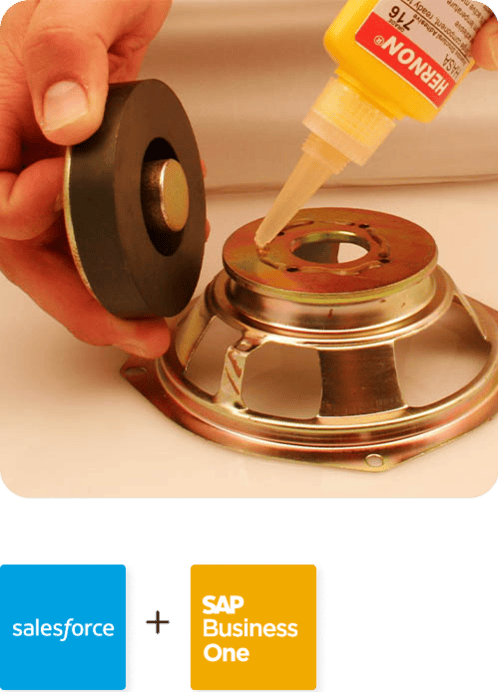
Hernon
With APPSeCONNECT, Hernon achieved a zero business downtime and levaraged the power of a fully automated and integrated solution to ensure business growth.
Read Case Study →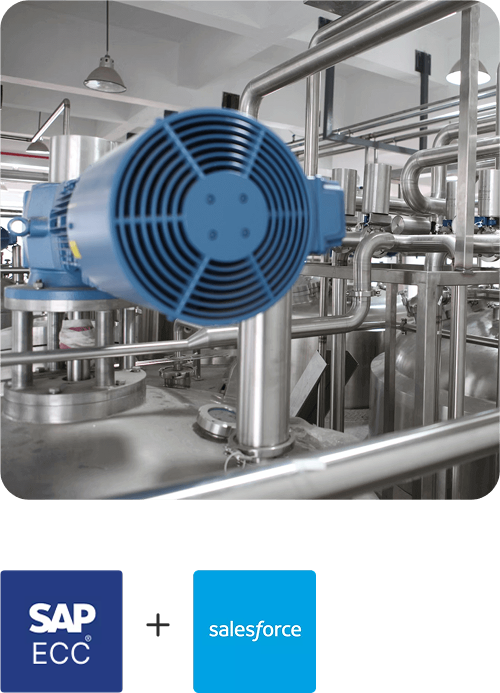
Machinery Manufacturing Company
Discover how a world-leading industrial equipment manufacturing company leveraged APPSeCONNECT for company-wide automation of ERP, CRM, and eCommerce applications.
Read Case Study →Related Resources
Articles and Guides to Help You With Your Integration and Automation Journey